Last Mile Delivery
Your Fleet.
Your Savings.
Last-mile delivery runs on tight margins and tighter schedules. The RCPA Fleet Card cuts your fuel costs at the pump and puts you in control of every driver on your roster — with no hidden fees eating into your margin.
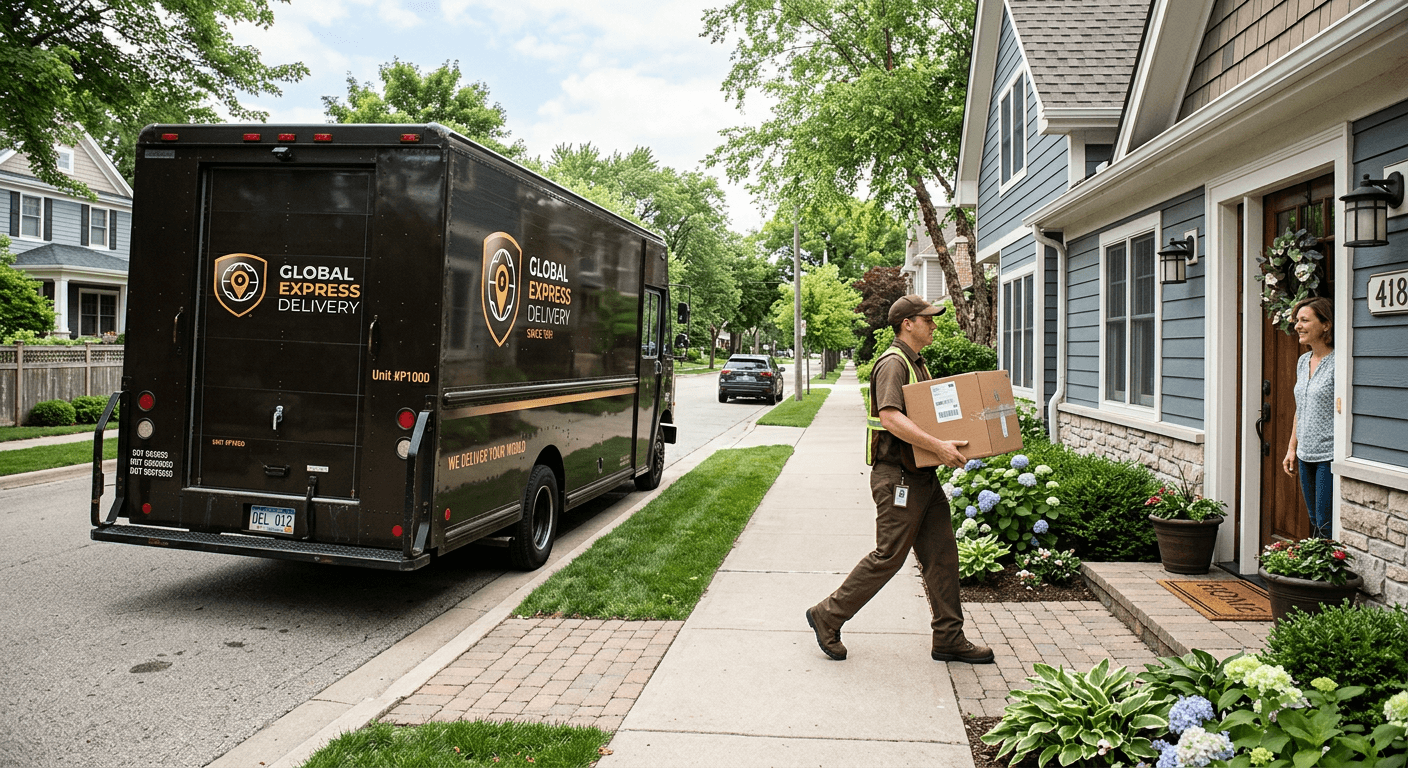
LAST MILE DELIVERY CHALLENGES
Fuel Is One of Your Largest Operating Expenses
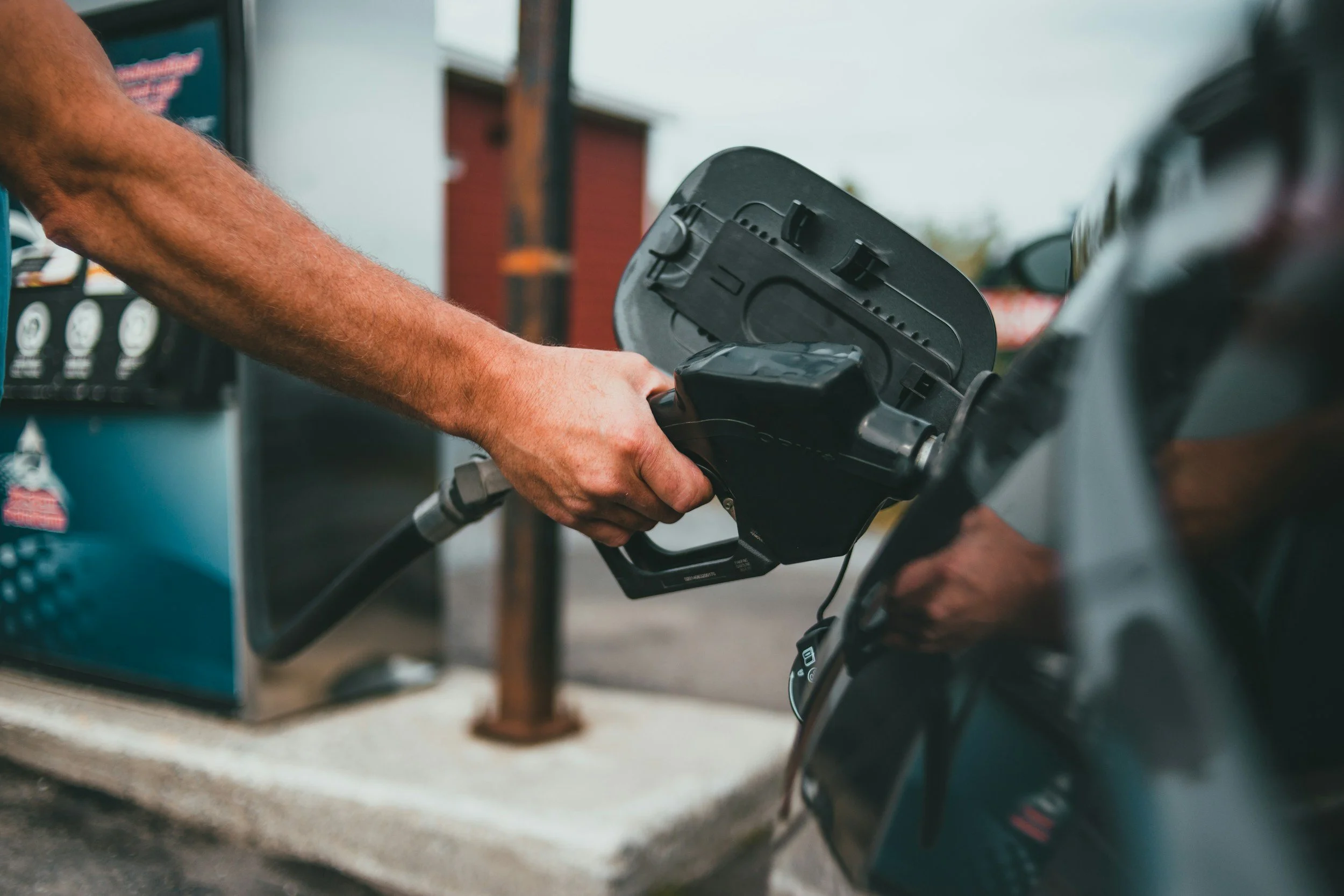
When drivers make dozens or even hundreds of stops each day, fuel expenses add up quickly. Without visibility into spending and fueling behavior, it's easy for profits to disappear one gallon at a time.
Fuel Anywhere. Pay Less.
Use the RCPA Fleet Card anywhere Mastercard® is accepted.

Manage High-Volume Fueling
Control spending across vehicles that fuel frequently throughout the week.

See Every Driver Transaction
Track purchases as they happen and identify unusual patterns.

FREE FUEL ANALYSIS
See Exactly What Your Current Fuel Program Is Costing You
Get a free review of your fuel spend, fees, and savings opportunities.
What You’ll Learn:
Your current fuel fees vs. what RCPA charges ($0).
Estimated annual savings at Premier Fuel Stop locations.
Which member benefits apply to your operation type.
Whether your current card is actually working for you.
VISIBILITY & REPORTING
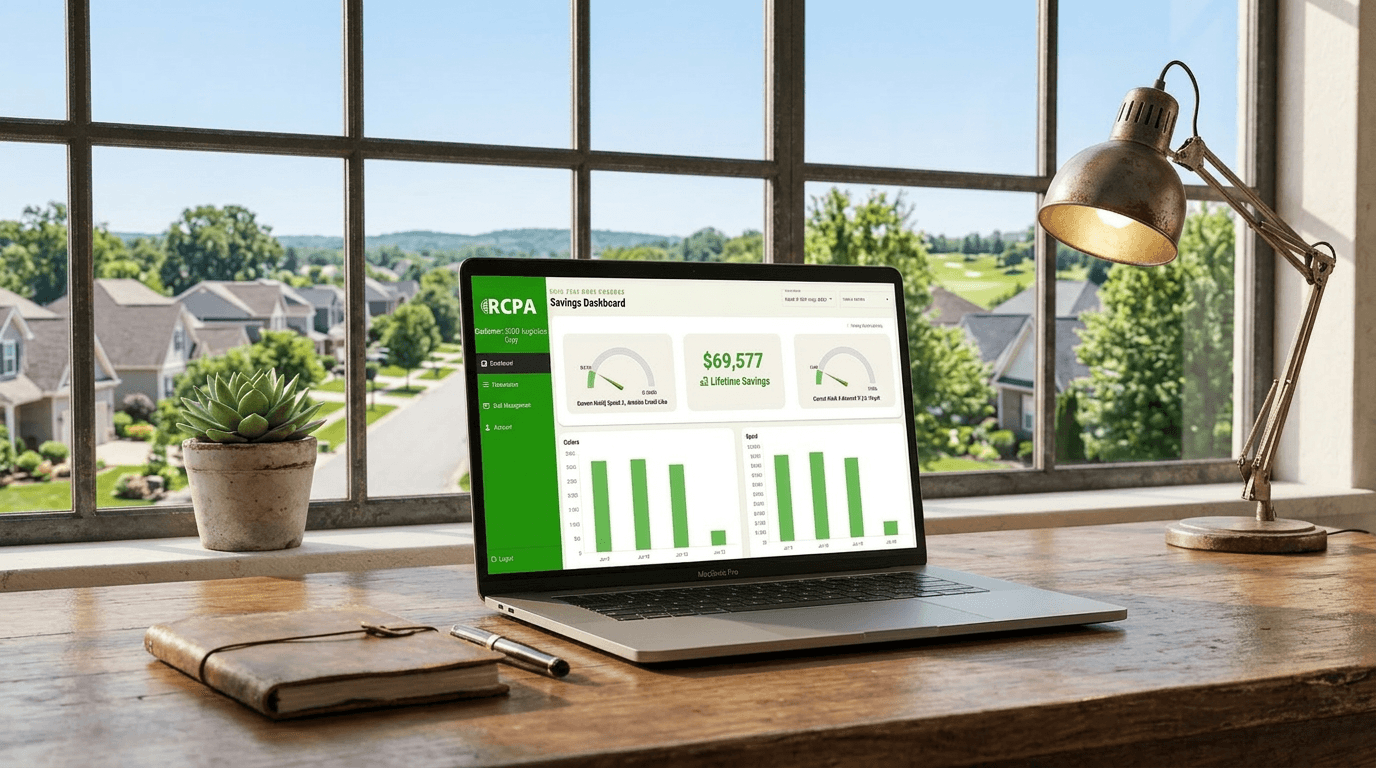
Your Savings Dashboard
Get complete visibility into your fuel program with real-time reporting, savings tracking, and card management.
✓ Track Savings
✓ Monitor Spending
✓ View Rebates
✓ Manage Drivers
FREQUENTLY ASKED QUESTIONS
Everything You Need to Know About the RCPA Fleet Card
Answers to the most common questions about savings, fees, fuel locations, fraud protection, and fleet management.
-
Drive with confidence knowing that you can use your RCPA Fleet Card anywhere Mastercard® is accepted. Including more than 21,000 Premier Fuel Stops.
-
Maximize your fuel savings with competitive discounts at thousands of stations nationwide.
Enjoy consistent savings on both diesel and unleaded, with rebates paid quarterly for predictable, trackable results.
-
No. The RCPA Fleet Card has no activation fees, per-card fees, transaction fees, monthly fees, annual fees, hidden fees, account maintenance fees, or membership fees.
-
Manage your account from anywhere with our Savings Dashboard:
Track fuel rebates
Monitor card activity and spending
Turn cards on and off
Get a clear, simple view of your savings
-
Our US-based team is available 24/7 to assist you. You can also browse our FAQs anytime.
-
Protect your account with advanced fraud prevention tools:
Set time, transaction, and spending limits
Restrict purchases to fuel only or allow in-store/maintenance
Receive real-time alerts for suspicious activity
Telematics integrations
-
Talk to us about our Free Fuel Analysis.
Help reduce costs
Improve fuel efficiency
Maximize potential savings

Last-Mile Delivery FAQs
-
Consistency beats volume every time.
In last-mile delivery, revenue predictability comes from operational discipline — not just adding routes.
Predictable operators focus on:
Stable route performance
Driver reliability
Controlled variable expenses
Clean reporting
When fuel, labor, and maintenance are controlled, revenue becomes easier to forecast — which means fewer surprises and stronger cash flow month after month.
-
Improve margin per route before you scale.
The fastest way to increase profitability isn’t adding trucks — it’s tightening efficiency on the routes you already run.
Focus on:
Stops per hour
Fuel spend per route
Idle time
Overtime creep
Vehicle downtime
Small improvements across every route compound into meaningful margin gains without increasing complexity.
-
Fuel control — because pennies turn into thousands.
Fuel is one of the largest controllable expenses in last-mile delivery. Without guardrails, waste and abuse quietly erode margins.
Best practices include:
Commercial fuel cards with controls
Real-time transaction visibility
Location and time-based fueling rules
Exception reporting
Fuel discipline isn’t about restriction — it’s about accountability. Operators who control fuel control their bottom line.
-
Deadhead miles and idle time.
Every unnecessary mile costs fuel, labor, and vehicle life. Every extra idle minute does the same.
Margin leaks often come from:
Poor route sequencing
Excessive idling
Inefficient dispatching
Late starts and early shutdowns
Unplanned detours
Route efficiency isn’t a “nice to have” — it’s the foundation of profitable last-mile operations.
-
Labor — especially unmanaged labor.
Drivers are your greatest asset and your largest expense. Without clear expectations and systems, labor inefficiency compounds quickly.
Top operators focus on:
Clear route standards
Consistent load times
Defined start procedures
Training for pace and safety
Accountability through metrics
Well-run teams don’t just deliver more — they cost less per stop.
-
Time — on the road and off it.
Time mismanagement creates:
Overtime
Missed service windows
Rushed driving
Higher accident risk
Burned-out drivers
Winning operators protect time by:
Staging trucks the night before
Enforcing launch times
Reducing yard congestion
Eliminating avoidable delays
Time efficiency directly translates into fuel savings, labor savings, and safer operations.
-
Standardization.
Consistency creates speed, safety, and savings.
Standardize:
Vehicle specs
Driver checklists
Route launch procedures
Fueling expectations
Maintenance schedules
Standard operations reduce mistakes, lower training costs, and make performance easier to manage at scale.
-
Preventative maintenance beats reactive repairs.
Unexpected breakdowns cost more than repair invoices — they cost missed routes, overtime, rentals, and customer trust.
Strong fleets follow:
Daily vehicle inspections
Preventative service intervals
Tire, brake, and fluid monitoring
Maintenance tracking by unit
Reliable equipment keeps drivers moving and margins intact.
-
Measure what matters.
You can’t fix what you don’t measure.
Key metrics for last-mile delivery operators include:
Fuel cost per route
Stops per hour
Cost per package
Overtime percentage
Vehicle downtime
Accident frequency
Driver turnover
Data exposes inefficiency early — before it becomes expensive.
-
Visibility and discipline.
The most profitable last-mile delivery businesses:
Know their numbers
Control fuel and labor
Enforce standards
Eliminate waste
Make decisions based on data, not gut feel
Profitability isn’t accidental — it’s operationally engineered.
GET STARTED
How it Works
Up and running in under a week.
Apply Online — Takes just a few minutes.
Get Approved — Our team guides you through the process.
Receive Your Cards — Delivered in 4–7 business days.
Start Saving — Begin earning savings on your first fill-up.
No setup fees. No monthly fees. No long-term contracts.